Massachusetts Asbestos Abatement Regulation Explained
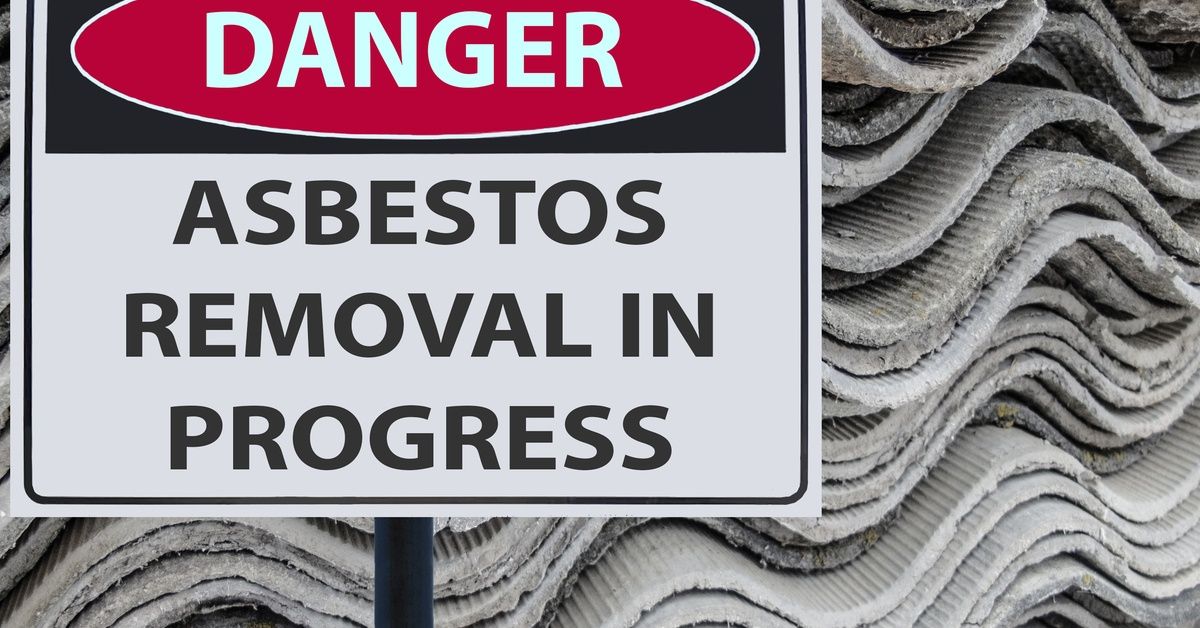
Navigating asbestos regulations is challenging for many homeowners. When you discover hazardous materials during a renovation or home inspection, you need clear facts about what the law requires. We aim to explain Massachusetts asbestos abatement regulations below. Let’s dive into the state and federal rules governing safe removal in residential properties.
When Do Regulations Apply?
State regulations apply whenever you renovate, demolish, or repair a structure containing asbestos. MassDEP requires owners or contractors to identify asbestos-containing material (ACM) before starting any work that might disturb it. You must hire a licensed inspector to test materials if you suspect asbestos presence. Common locations include the following:
- Pipe insulation
- Boiler insulation
- Floor tiles
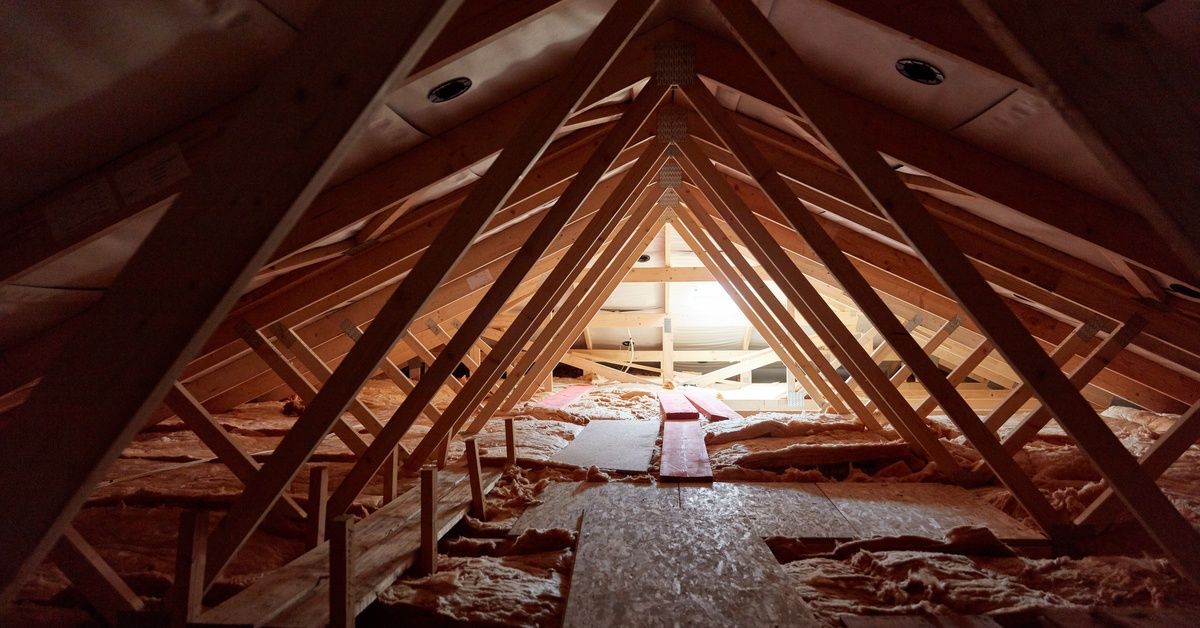
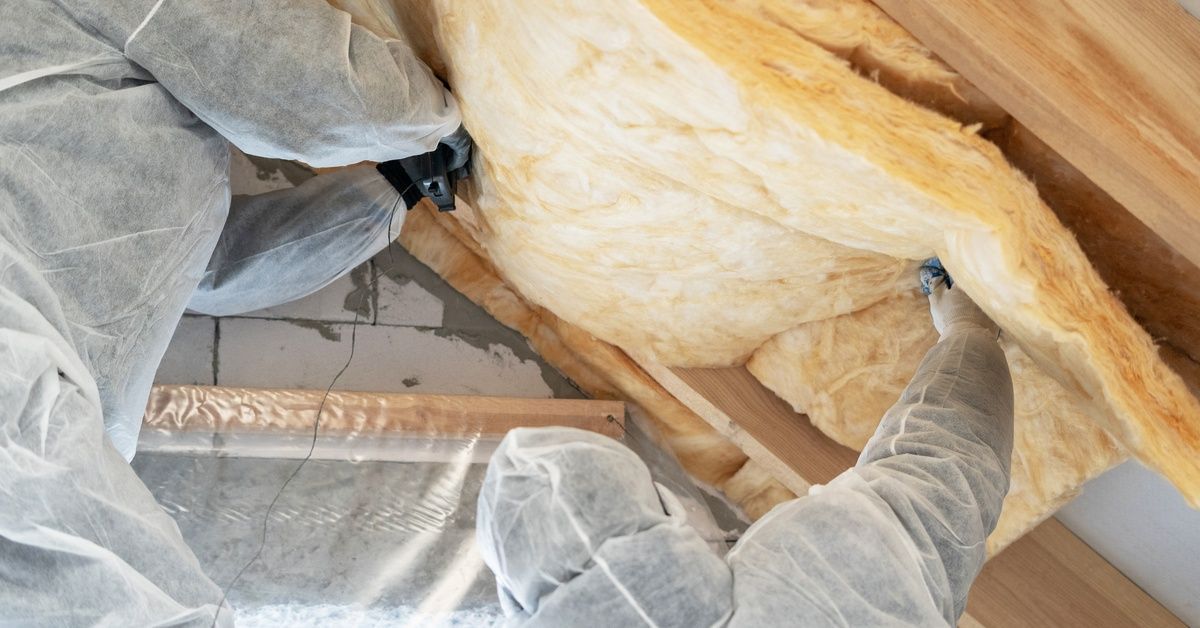
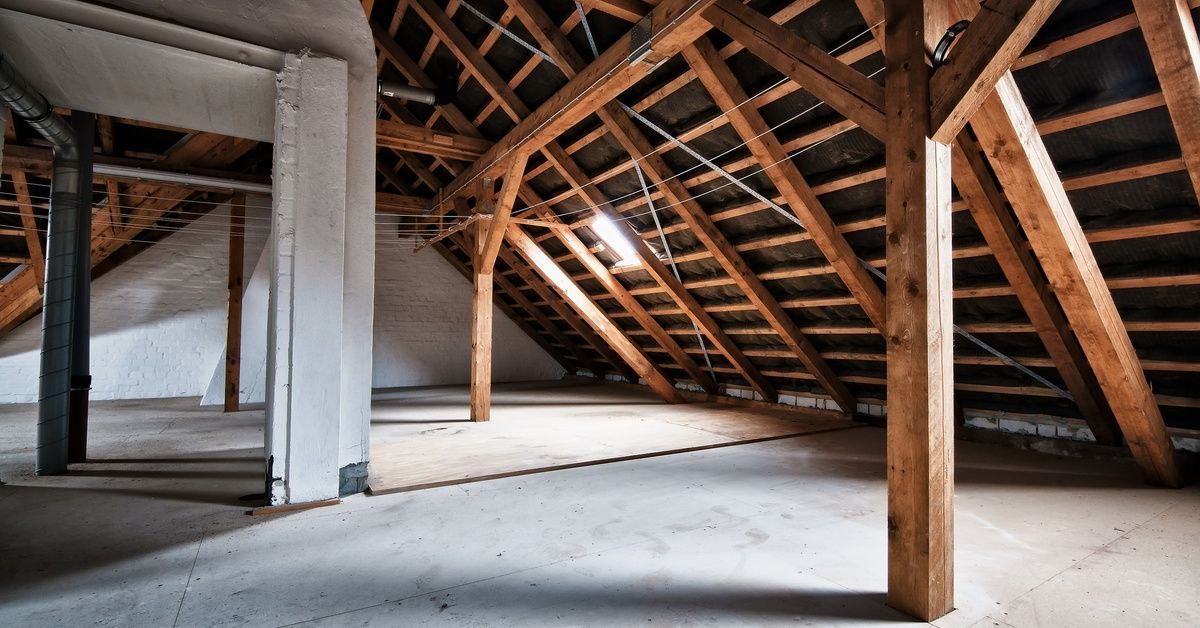
- Vermiculite attic insulation
- Siding and roofing shingles
If testing confirms ACM presence, you must follow notification and removal procedures before any disturbance occurs.
Notification Requirements
MassDEP mandates that you or your contractor submit a notification form (AQ 04) at least 10 working days before starting asbestos abatement in MA. This waiting period allows state inspectors time to review the plan and potentially inspect the site. Skipping this step can result in fines and legal complications. At AirSafe, we handle all necessary paperwork for our clients to ensure that every project meets state timelines and documentation standards.
Removal and Disposal Standards
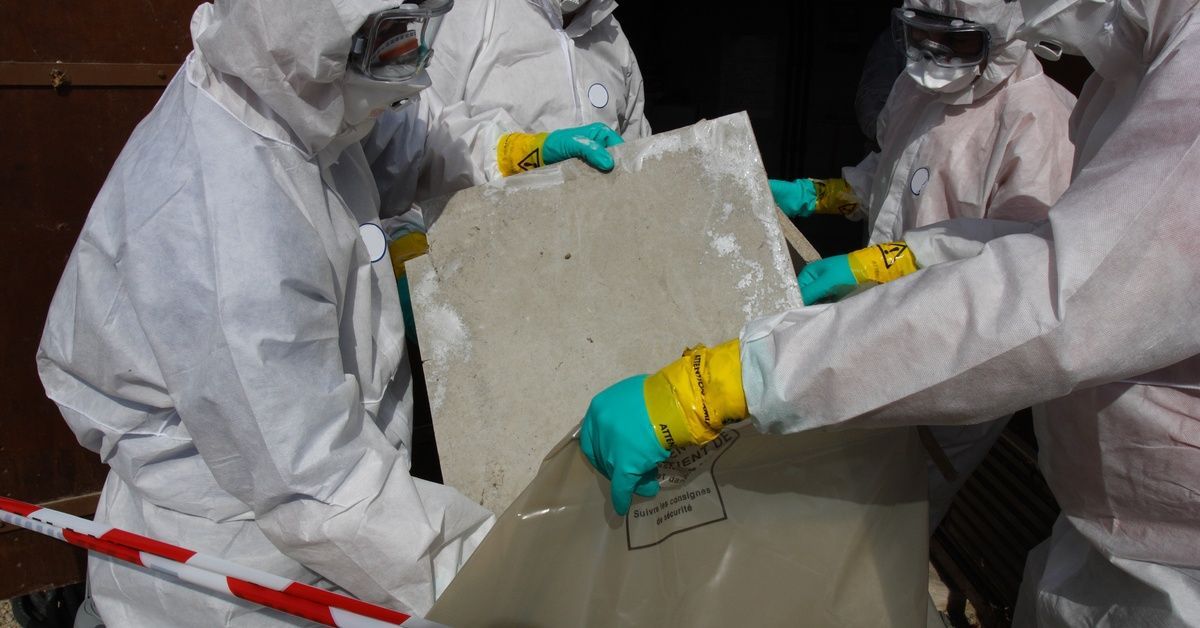
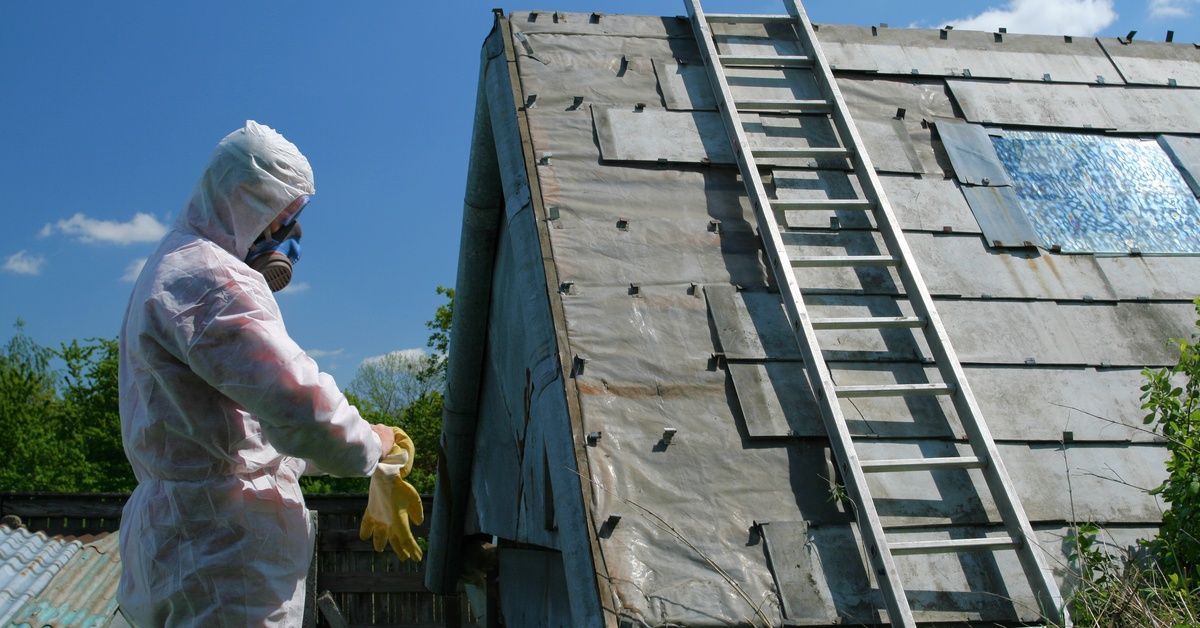
Massachusetts law strictly prohibits the dry removal of asbestos. Contractors must wet the material to prevent fibers from becoming airborne. The work area requires containment using plastic sheeting and negative air pressure systems to protect the rest of the home.
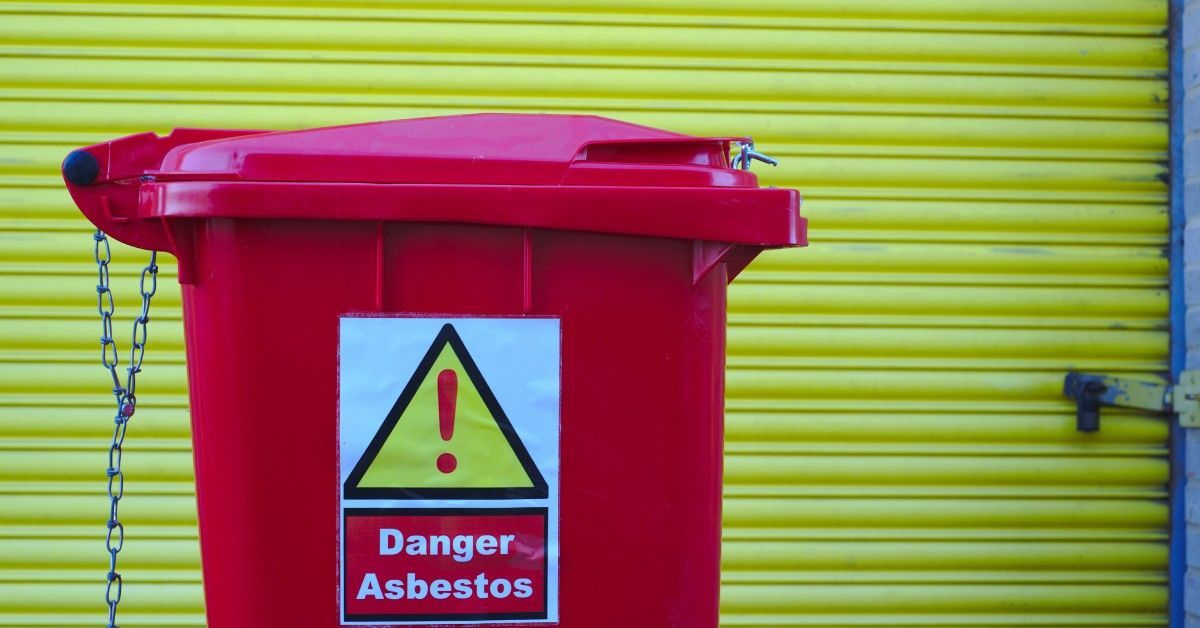
Licensed professionals must place all waste in sealed, leak-tight containers with proper labeling. Contractors then must transport asbestos to a landfill permitted to accept such waste. We provide waste shipment records to prove proper disposal.
Post-Abatement Verification
After removal, the project is not technically complete until a clearance inspection. An independent environmental consultant must visually inspect the area and often conduct air monitoring. This ensures the air is safe for re-occupancy.
Massachusetts asbestos abatement regulations are meant to protect your health and property value. Trusting a licensed expert guarantees safety and compliance. Contact Air Safe, Inc. today for a free estimate, and let our certified team handle your abatement needs with expertise.