Is DIY Vermiculite Removal Safe? The EPA Says No
Many homeowners have never heard of vermiculite insulation. They may not realize that their attics and walls contain a material that can harbor asbestos. However, once people discover this material’s presence in their homes, they’ll want to remove it as quickly as possible.
The Environmental Protection Agency (EPA) warns that DIY vermiculite removal isn’t safe. Homeowners should know the dangers of vermiculite, the critical steps needed to treat it, and why they should leave this job to the professionals.
Understanding Vermiculite Insulation
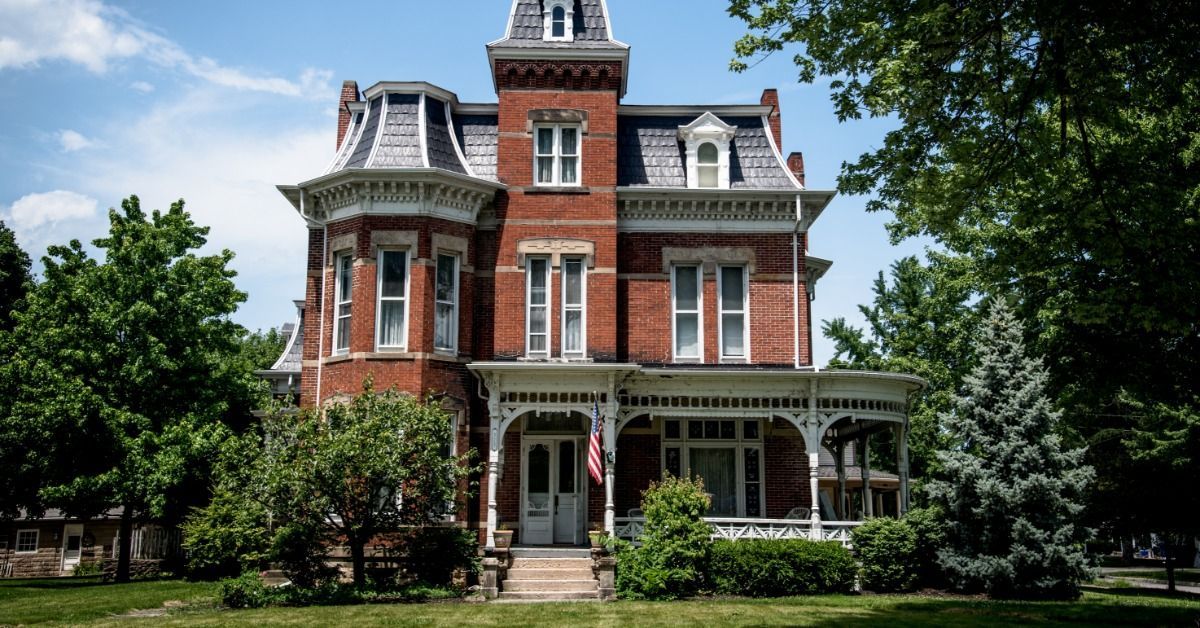
Vermiculite insulation was popular in homes built between the 1920s and the 1990s because of its heat-resistant qualities and lightness. It’s derived from a mining site in Libby, Montana, which, unfortunately, was heavily contaminated with asbestos. Today, much of the vermiculite insulation installed in older homes is linked to asbestos exposure, making it a health hazard for anyone who handles it.
The Risks of Asbestos Exposure
Exposure to asbestos can lead to serious, irreversible health conditions. The fine asbestos fibers are easy to inhale, allowing them to settle in the lungs and cause damage over time.
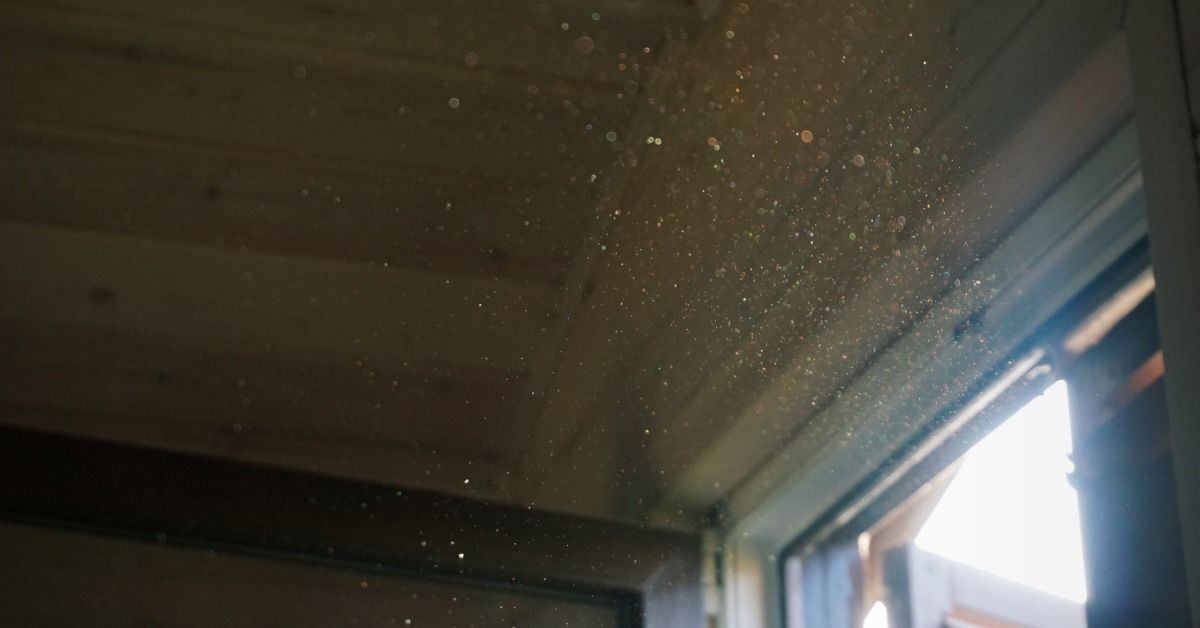
Mesothelioma, asbestosis, and lung cancer are some severe diseases associated with asbestos exposure. The danger lies in the fact that asbestos fibers are microscopic. Disturbing asbestos-containing materials like vermiculite will release the fibers into the air, making them nearly impossible to avoid without proper equipment and training.
Why DIY Removal Is Dangerous
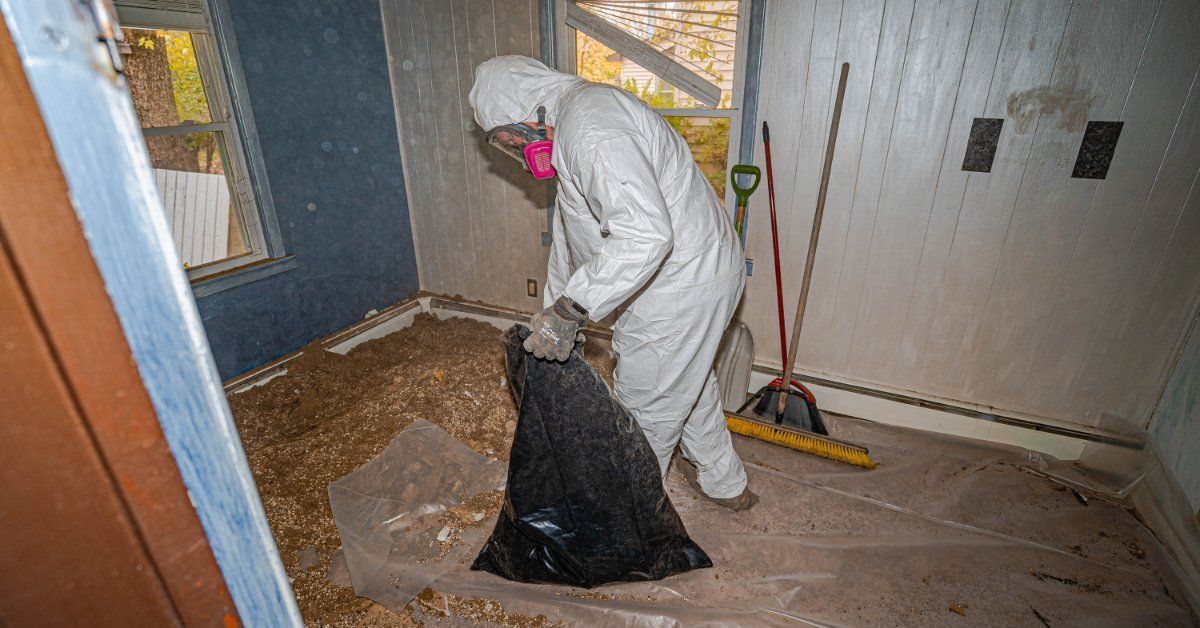
Attempting to remove vermiculite insulation on your own is extremely risky. The EPA warns against DIY removal because of the high likelihood of expelling asbestos into the air that could contaminate an entire home.
DIY methods lack the specialized equipment and containment measures professionals use to keep asbestos particles from spreading. Without the necessary expertise, homeowners risk their health and the health of their loved ones.
How Professionals Handle Vermiculite Safely
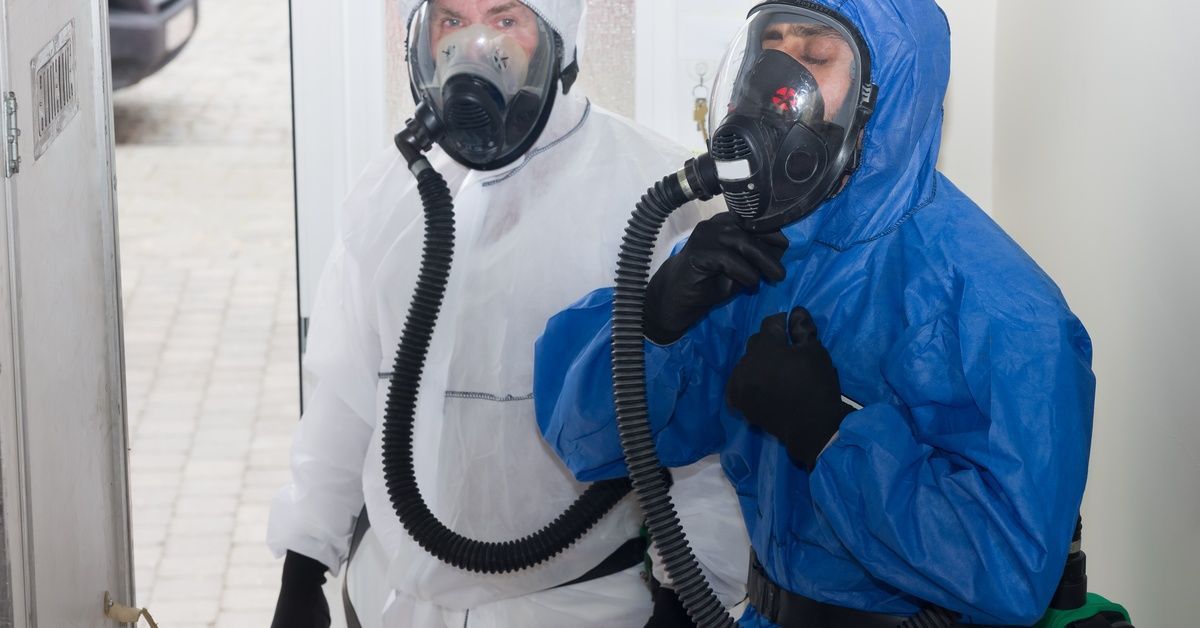
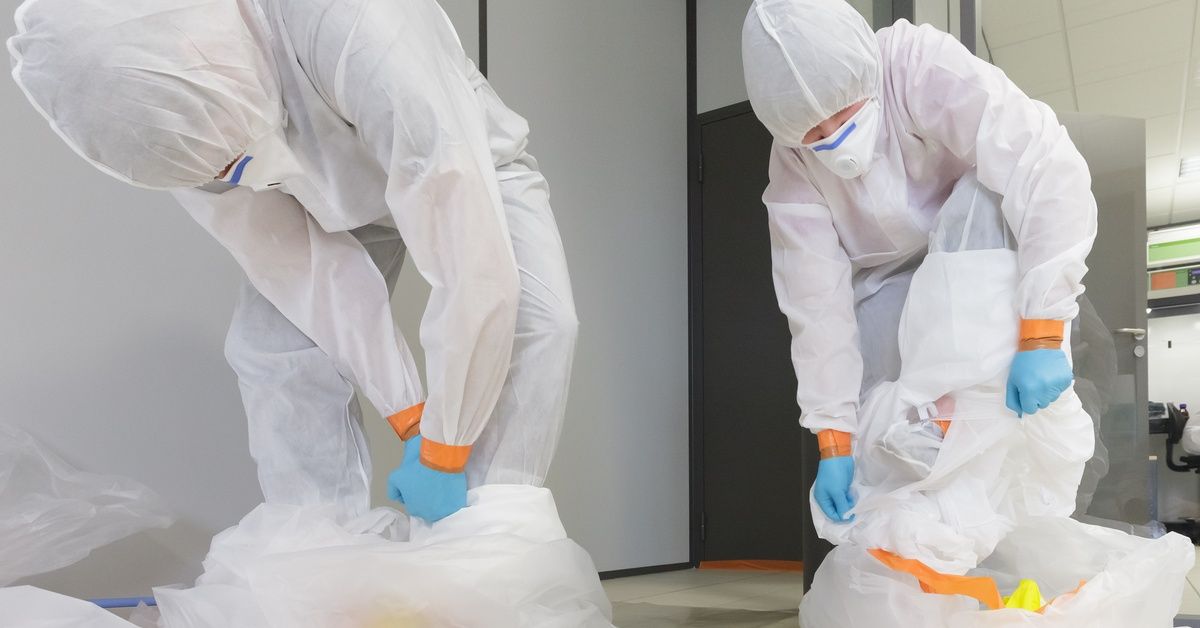
Certified asbestos removal specialists adhere to strict protocols to handle vermiculite without exposing anyone to asbestos. Professionals seal off work areas to prevent contamination. They use high-efficiency particulate air (HEPA) filters, protective clothing, and respirators. Professionals also employ careful disposal techniques to contain the asbestos-laden material and safely remove it from your home, abiding by EPA guidelines for asbestos handling and disposal.
EPA Recommendations for Homeowners
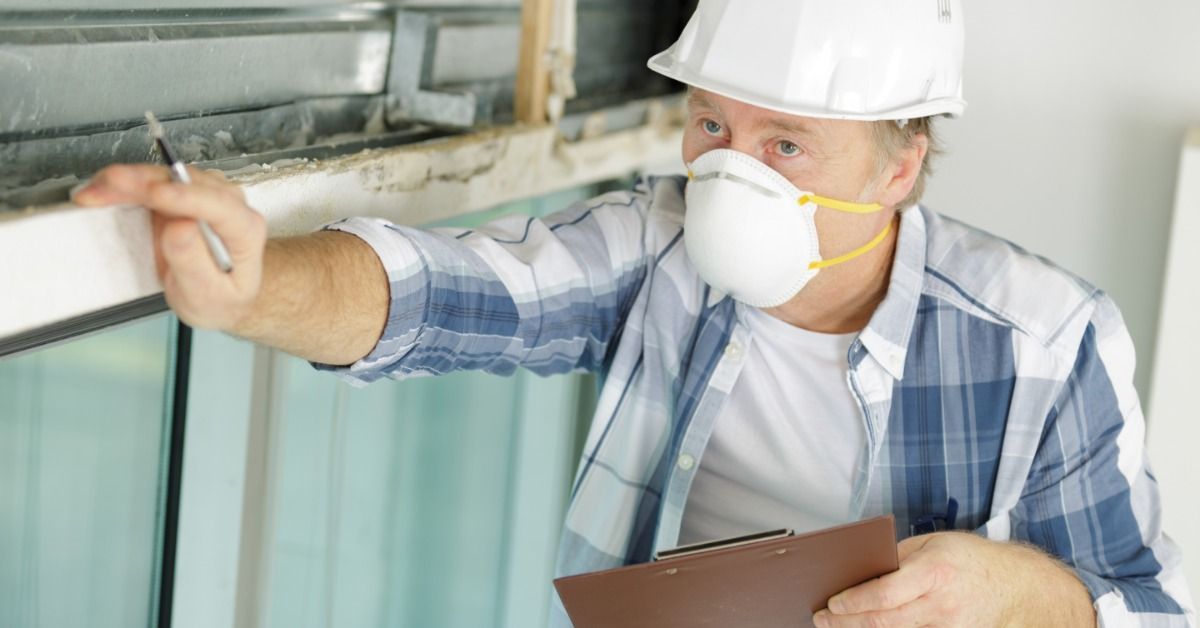
Is DIY Vermiculite Removal Safe? The EPA Says No. The EPA firmly advises homeowners to avoid direct contact with vermiculite insulation. Instead, contact certified asbestos removal companies that can inspect and safely remove the insulation.
Handling vermiculite insulation requires the expertise of a certified asbestos removal company to ensure safety and compliance with health standards. Contact Air Safe today to safeguard your home and avoid the dangers of DIY vermiculite removal.