A Brief Guide to EPA Asbestos Regulations
Does it surprise you that asbestos is still legal? It is, at least in the United States. Globally, at least 55 countries have completely outlawed asbestos. The most notable exceptions are the United States, Russia, Canada, and China. The Environmental Protection Agency (EPA) has tried to ban most asbestos-containing products, but their rule was ultimately overturned. This is where the EPA regulations regarding asbestos stand today.
The EPA’s Efforts
Talk about the risks of asbestos picked up in the early 70s, when more data about asbestos’s links with cancer established direct dangers. By the late 70s, the EPA was working to enact a complete ban of asbestos. They succeeded in 1989, issuing a regulation that outlawed most asbestos-containing products. In 1991, however, the Fifth Circuit Court of Appeals in New Orleans overturned the regulation.
What the EPA Has Banned
A few of the EPA’s recommendations have remained in place. Asbestos is now prohibited in five categories:
- Corrugated paper
- Rollboard
- Commercial paper
- Specialty paper
- Flooring felt
Partial Successes
The EPA has rules that state companies are not allowed to use asbestos in any new ways—but using the material in any of the ways in which it was used before 1989 is still legal. That includes in the manufacturing of items such as automotive brakes and floor tiles. On the state level, Washington banned asbestos in automotive brakes from 2014 on.
Other Efforts
The EPA’s hands have been tied, but other legislation has tried to pick up the slack. The Clean Air Acts prohibits asbestos pipe insulation, asbestos insulation on products such as boilers and hot water tanks, and spray-applied surfacing of materials with asbestos. The Consumer Product Safety Act bans asbestos in wall patching compounds and artificial fireplace embers. The Food and Drug Administration has ruled against asbestos-contaminated filters in pharmaceutical manufacturing, processing, and packing.
Mining in the United States
Most American companies have taken the initiative to stop using hazardous asbestos without a federal mandate. In 2002, the last US asbestos manufacturer ceased operation—but importing asbestos from abroad is still legal.
What It Means for You
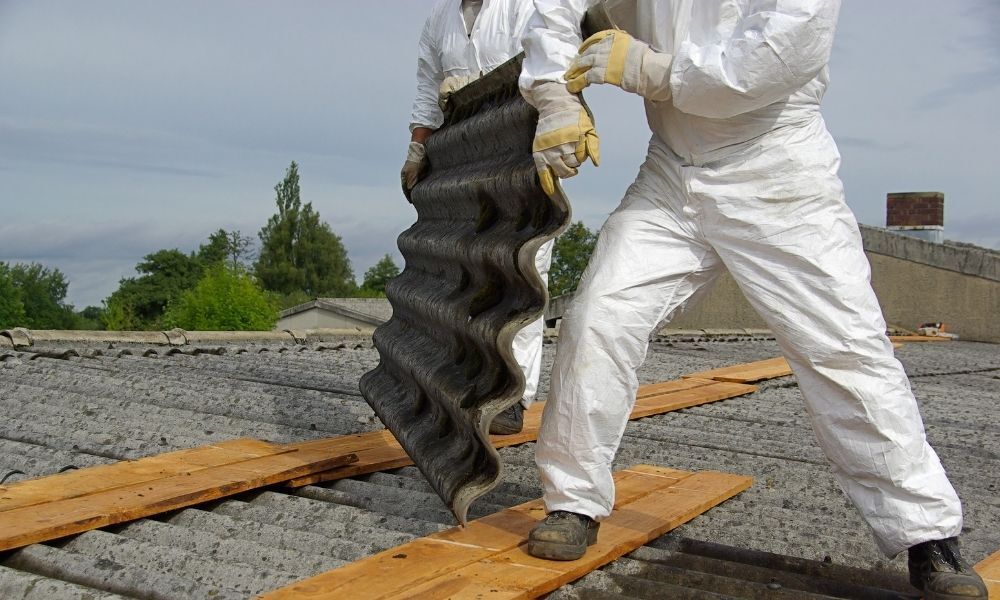
The EPA regulations regarding asbestos are so inadequate that it’s been up to the public to educate itself about the dangers. Most people understand asbestos is likely to be present in any building built before 1980, and they’re taking on the responsibility for its removal.
If you suspect asbestos is in your home or office building, contact our Massachusetts asbestos abatement contractors —we have the training and experience to keep you safe. Air Safe, Inc. is state licensed and family owned, and it has been serving the Greater Boston and Eastern Massachusetts areas for more than 30 years. From testing to disposal, we can contain the emergency and help the country take one more step toward being free of asbestos.